Showing posts with label Killing. Show all posts

Friday, 7 August 2015

Taking Life


The headline on page 6 of The Independent on Saturday 1st August read [1]: 'What is fun about death and the killing of a beautiful creature?'. It was a quote from an interview by Jonathan Owen with the campaigner Virginia McKenna and focussed on the killing of a lion by a trophy hunter, but it set me thinking more widely about my attitude to killing organisms. I maintain that all creatures are beautiful, so, for me, the adjective is redundant.

I'll begin with two examples that only loosely fit the definition of a creature. As someone who has had a close encounter with E. coli (below, top left), I am very thankful for antibiotics and their power to kill the bacteria. However, studies in microbiology reveal not only a beautifully adapted organism, but one with tremendous powers of reproduction and the ability to fend off the defence mechanisms of the host. Killing them when they infect areas of the body other than the gut brings a great deal of relief but I wouldn't describe it as being fun. The same applies to the presence of weeds like dandelions in the garden, especially the lawn. No-one could dispute that they are beautiful plants, but we like them in the countryside and not messing up the neat arrangement of plants that we like to culture. Killing weeds never involves thoughts of regret at extinguishing the life of another creature, at least in my experience.


Having spent time in Northern Scandinavia on research visits, I know something about high densities of mosquitoes [2]: who was it who said they enjoyed the high-pitched noise of mosquito wing beats and likened it to singing? Adult females require blood before they can mature their eggs and they are both persistent at finding hosts and, despite their noisy flight, usually land unnoticed. Unfortunately, I react badly to mosquito bites and invariably get lots of itchy lumps as a result. Creams and anti-histamine sprays are of some assistance, but I try to kill the insects before attack, if at all possible. Not exactly the fun of the headline in The Independent, but certainly pleasurable. Yet I have studied larval mosquitoes in some detail, as I have the larvae of other biting flies, and I am amazed by the evolution of their feeding structures and the metamorphosis that results in such different body plans as those of the larvae and adults. I retain a sense of wonder, but this is not in my mind when I kill biting flies (and I've killed millions of their larvae). However, there are plenty left after my efforts.

Other beautiful creatures include wasps and blowflies (above, lower). All of us are amazed at the structure of wasp nests: the way they are constructed; the social behaviour of the inhabitants; and the capacity for workers to hunt and gather to bring food to bring to the nest. Wasps are brightly coloured to give a warning that they sting and we react to that, even though it evolved long before humans appeared on the Earth. Indeed, almost any insects with black and yellow striped abdomens receive the same treatment as wasps as we try to brush them away and, preferably, swat them. As I write, we have a wasp nest nearby and the workers often enter our house through open windows. Despite my admiration for the structure and lifestyle of wasps, I kill these intruders with relish and would ideally like the nest removed, wherever it might be. It's the same with blowflies and house flies and their beautifully adapted maggots [3]. I kill those with the same degree of pleasure.


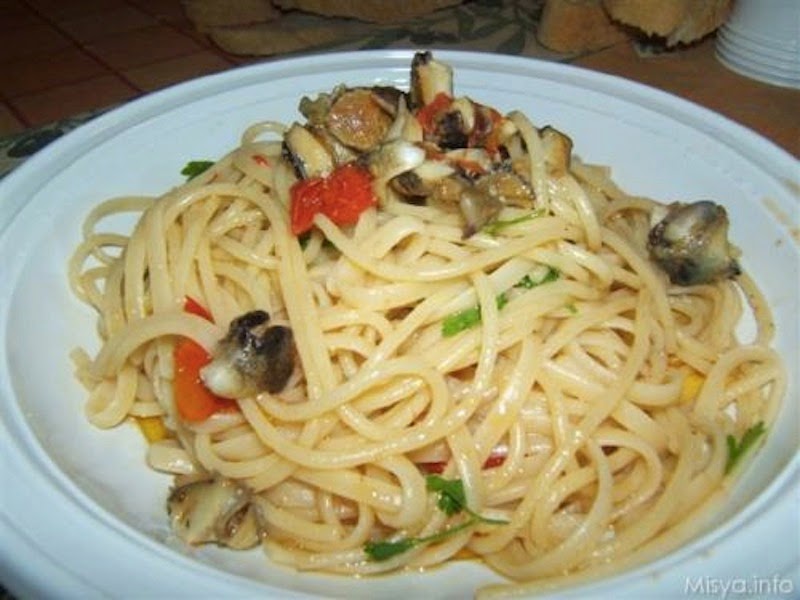
All the examples thus far are of creatures which either cause harm or irritation to us, or to our immediate surroundings. What of the killing of creatures for food? Our hunter-gatherer ancestors captured animals to eat and we can still do this if collecting, fishing or shooting. However, we are now mostly dependent on buying animals that have been killed by someone else, although blue mussels are sold alive before we kill them by tipping them into a pan of boiling muscadet [4]. The food industry is geared to providing us not only with killed animals, but also gutted fish, or butchered meat, although this processing is largely hidden from us. Fish are caught at sea by lines or trawls, or gathered from large enclosures in fish farms, and they are allowed to die before being gutted and packed on ice. Meat comes mainly in the form of chickens, turkeys, sheep, cows and pigs that are farmed, with the latter three transported first to markets and then on to abattoirs for slaughter. I've visited an abattoir and it was not a pleasant experience, but not sufficiently unpleasant to stop me from being an enthusiastic omnivore.
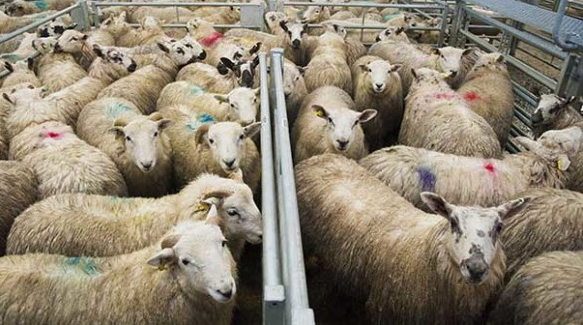

During disease outbreaks, it is common for farm animals to be shot in situ and their carcases burned or buried. It strikes me that killing livestock on farms is preferable to the market-abattoir route, although many may prefer the killing to continue being hidden from view. At least some chickens and turkeys are killed on the farms where they are reared, but the conditions in which they live vary greatly. The intensive rearing of battery chickens for egg production is a case in point and I still remember vividly the smells, sounds and sights of a battery rearing unit that I visited forty years ago. Slaughter is just part of a brutal process, as it is with other intensively reared farm animals, and slaughter on site, or nearby, is hardly the compensation it would be for animals that are allowed a (relatively) free range. 


Shooting livestock would be little different to hunting game, something that I've enjoyed. As I do not wish to kill the animals myself, my role in rough shoots is as a beater, walking up the game and watching the dogs quartering the ground ahead of the line of guns. It is a good day out and worth it just to watch the dogs in action, and most birds on shoots I've attended are shot cleanly. In addition, there is the prospect of being paid for my pleasure in the occasional gift of a bird and I'm very fond of game of all kinds. My sole experience of hunting deer came when I accompanied a friend who is highly experienced stalker. We could see roe deer in a clearing and I was told to lie down and watch while he moved through the wood to get into a good position to shoot. After minutes, there was a loud crack and the deer dropped dead and we were quickly on to it. We immediately performed the gralloch, which was not upsetting to me as it was no different to the dissecting that I had done as part of my Zoology training. The deer was grazing one minute and dead the next and I thought that was rather good, just like the killing of pheasants that died shortly after they were put to flight.

Killing to prevent attacks, or for food, seems acceptable to me, as long as death is rapid. Killing for fun is less acceptable, although I recognise that some people get pleasure from slaughtering large numbers of fish and higher vertebrates, enjoying in this way their power over Nature. Selecting the killing of a lion, albeit in a gruesome manner, highlights our approach to the killing of all living creatures, each a remarkable example of the power of evolution.


[1] The Independent 1st August 2015 p6.


Wednesday, 4 March 2015

Eating limpets


In my last blog post, I wrote an appreciation of limpets and the extraordinary adaptations that they show for life on rocky marine shores [1]. As I pointed out, that should not prevent us from using these molluscs as a source of food and that is something that fits with contemporary debates about sustainability and the need for animal protein. We are now much less resourceful than our ancestors, and are dependent on what is available in stores or on market stalls, with the latter often showing a more local approach than the former.

To gain an historical perspective on eating limpets, I read Lovell's The Edible Molluscs of Great Britain and Ireland with Recipes for cooking them [2] and he describes their consumption by some communities:

"In many places limpets are used for food, especially on the Continent, where they are oftener eaten than the periwinkle. At Naples they make them into soup, and I am told it is an excellent dish.. ..The poorer classes at Eastbourne eat them constantly.. ..At Plymouth they gather great numbers of them, especially from the breakwater, as well as in the Isle of Man, where they are known by the name of "flitters"; and in Scotland the juice of these shellfishes is mixed with oatmeal.."

In addition to this background information, Lovell also gives recipes [2]:

"Limpet Soup – Wash them, and free the shells from seaweeds etc.; put them into a saucepan and parboil them. Take them out of the shells; chop up some parsley, and put it, with a tablespoonful of oil, or an ounce of lard or butter, into a saucepan, and fry until it becomes brown. Add a pint of water, and, when boiling, throw in the limpets, with a teaspoonful of anchovy sauce, some pepper, and boil again for half an hour; or, if preferred, stew them before putting them into the soup.

Limpet sauce – Choose clean-shelled limpets, not covered with barnacles, steep them in fresh water, and then heat them in a close covered saucepan until they part easily from the shells. They yield a rich brown liquor, in which, after being shelled, they may be stewed for half an hour. Thicken the liquor with butter and flour; strain and season with pepper, cayenne, and salt, and a slight flavouring of lemon-juice or vinegar. The limpets, being tough and indigestible, are not returned into the sauce."

The latter comment reminds us of the common failing of over-cooking seafood of all kinds, something that one learns by trial and error.

Lovell [2] also gives a more rustic approach to cooking limpets, originating from the island of Herm in the Channel Islands, and reported by Jeffreys in Volume 3 of his British Conchology:

"Roasted limpets - The limpets were placed on the ground, and laid in their usual position, and cooked by being covered with a heap of straw, which had been set on fire, about twenty minutes before dinner."

To these recipes can be added others from different parts of the World (illustrations of each dish are given, with the URL to the web page for each recipe):


It is only possible to eat limpets as a regular part of the diet if one lives at, or near, the coast. For those who are landlocked, Lovell guides us to Garden Snails, together with their close relatives, including the Roman, or Vine, Snail (and who doesn't like Escargots à la Bourguinonne?). Limpets and land snails are both sustainable foods and provide good sources of animal protein. Although I don't feel comfortable about roasting them alive, placing the molluscs in boiling water kills them rapidly and they can also be kept in a deep freeze for a short time to reduce their metabolism severely before they are cooked.

Mark Zuckerberg became famous not only for Facebook, but also for his statement that killing animals oneself is better than willingly being ignorant of how we obtain the meat we buy from butchers or supermarkets [3]. For those that would like to follow Mr Zuckerberg's example, but cannot face the prospect of cutting the throat of a pig or a goat, killing snails of various kinds provides rather less of a challenge.   


[2] M. S. Lovell (1867) The Edible Molluscs of Great Britain and Ireland with Recipes for cooking them. London, Reeve & Co.


Thursday, 6 March 2014

Moules marinières


Moules marinières is one of my favourite seafood dishes and so simple to prepare. This is my version:

1. Wash recently-collected mussels under running water, clean off anything attached to the shell valves and also “beards” (called byssus threads by Biologists). Ensure that all mussels are closed tightly, or close when the shell valves are tapped with the blade of a knife.

2. Chop 3-4 shallots coarsely and sauté them in butter in a large pan until they are softened, but not coloured.

3. Add a half bottle of white wine (Muscadet works very well) and bring it to the boil. Add a little freshly-ground pepper and pour in the mussels, immediately covering the pan with a lid.

4. Turn down the heat and allow the mussels to cook for 5 minutes, shaking the pan from time to time. Pass the whole contents through a sieve, before returning the strained liquor to the pan and reducing vigorously. Keep the mussels warm.

5. Place 10-20 mussels in a deep dish and pour over some of the reduced liquor and garnish with chopped parsley. Use a shell valve as a spoon to eat the mussels and mop up the remaining juices with crusty white bread.

The rest of the white wine makes a fine accompaniment and a second bottle is usually needed if the meal is shared with others - and sometimes another bowl of mussels each, too. Fortunately, the blue mussel (Mytilus edulis) is very common on coasts and in shallow seas, and mussels are also farmed, so they are easily acquired.

Byssus threads ensure that these bivalves are attached firmly to the substratum, or to other mussels, and this provides anchorage to withstand the effect of waves and the tide when they are found in the intertidal zone. In this habitat they must also withstand exposure to the air twice a day, as this brings both the threat of drying and, during warm periods, of dangerous overheating. Drying is prevented by keeping the shell valves tightly closed by means of adductor muscles and the main one of these, the posterior adductor (A, in the photograph below), is kept contracted when the animals are not covered by water. They can keep this up for some time, as we know from looking at fishmongers’ slabs, and the mussels are thus living in their own little marine world and they can withstand quite high temperatures without harmful effects. Unfortunately, the temperature of boiling Muscadet means a quick denaturing of muscles and of proteins in other tissues, so the mussels gape open by the action of the hinge and we separate the valves (held together only by the hinge) to provide us with the spoon we use to eat the cooked animal. It is worth noting that the wonderful liquor we mop up with bread consists of wine, oil, shallots, pepper, parsley, sea water and mollusc waste products.


When living molluscs are covered by the sea, the adductor muscle is relaxed and the shell valves open by means of the elastic hinge. To grow, the mussels must feed and, perhaps surprisingly, the main organs of food capture are the gills, with two pairs on each side of the animal (visible as large translucent structures [G, in the photograph above]). The gills have many filaments and the surface of each gill is covered by millions of tiny hairs called cilia that beat with a power and recovery stroke. 1 Cilia are ubiquitous in the Animal Kingdom and serve many functions, but the millions on the mussel gill create a current that draws water into the cavity formed between the shell valves and the water then passes between the gill filaments. Particles trapped on the gills are moved by further cilia to a food groove on each gill and yet more cilia transport the food, by now wrapped in mucus, to extensions of the mouth (the labial palps), where potential food is sorted for ingestion, the remainder being “dropped” into the exhalant current.

The anatomy of a mussel shows the evolution of extraordinary structures: the byssus threads produced from a gland on the foot; the two shell valves; the adductor muscle; the elastic hinge opening the shell valves; the gills for respiration and for feeding; the labial palps for sorting. These, in addition to the evolution of the rest of the body, with its tissues, organs and organ systems, the whole having started out somewhere in very distant time as a single cell. How did all these structures, most of which are common to all bivalve molluscs, develop? Of course, I don’t think of that question when I kill mussels in boiling wine or when I eat them, satisfying myself that they are killed rapidly. The death of oysters and scallops is different. Oysters are usually chewed, or pressed against the palate, whilst still alive and living scallops are cut up to obtain the adductor muscle, 2 the commonest part that we eat. Although this is little different to the fate of these animals when attacked by a predator in natural conditions, there is something about humans eating live animals, or chopping them up while they are still alive, that makes me feel uncomfortable. Why is that? Is it because I have a sense of wonder at their extraordinary evolution and that they shouldn’t suffer this fate? I have never had a problem with dissecting live bivalves in practical classes for undergraduate students, although we were focussing on their fascinating biology. Did that overcome my apprehension?


Thursday, 7 February 2013

Witnessing a killing


Last summer, I was looking out through the kitchen window into the back garden. There were several birds flying around, or running and walking on the lawn, and I noticed one fledgling blackbird. It was able to fly, but was not a confident flyer, and other blackbirds were in close proximity.

Suddenly, five magpies swooped down and started to attack the fledgling blackbird, taking turns to stand on it and peck at its head. I had to make a decision on what to do; should I rush out and scare the magpies away, or “let Nature take its course”. I didn’t have long to make the decision, but opted for the latter, as the fledgling would have been damaged by the attack and probably traumatised. Both would have decreased its chances of survival.

While the attacks continued, adult blackbirds did what they could to distract the magpies by diving at them and calling noisily, but still the pecking continued. In the end, the magpies appeared to lose interest and flew off, leaving the body of the fledgling behind; the adult blackbirds then dispersed and thereafter showed no interest in the corpse. I went out into the garden and retrieved the body which showed heavy damage on the head but little else in the way of external marks.

Since that day, I have wondered whether I could have saved the fledgling and, importantly, whether I should have done. I have also puzzled as to why the magpies should indulge in this killing without having any interest in consuming their prey, especially as it has been claimed that they “grieve” for the loss of one of their own (see the link below). It was just one incident in a back garden, but one which left a lasting impression. Not all Nature is harmonious and beautiful.